Quang Ninh is expanding opportunities to attract Muslim visitors through Halal tourism, leveraging assets such as Ha Long Bay and Yen Tu, well-developed infrastructure, and partnerships with Indonesia—a move that promises to diversify tourism offerings and enhance the local destination's competitiveness.
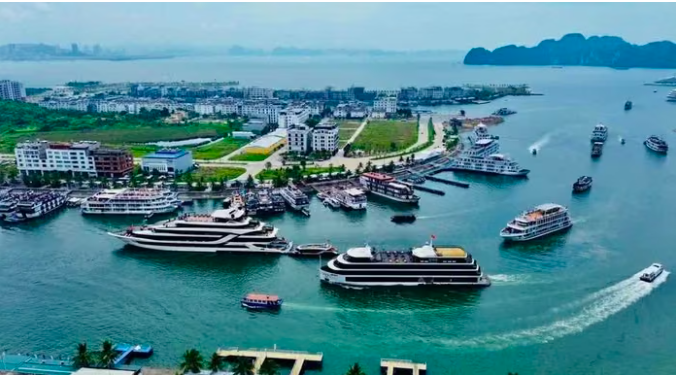
With its outstanding natural landscapes, World Heritage sites, spiritual and cultural destinations, and an increasingly well-developed tourism infrastructure, Quang Ninh is well-positioned to capitalize on opportunities for "Halal tourism"—a travel segment tailored to the needs of Muslim visitors.
Strengthening cooperation with Indonesia and other Muslim-majority nations is expected to open up new international markets, helping to diversify tourism offerings and enhance the competitiveness of the local tourism sector.
Halal tourism—or Muslim-friendly tourism—is emerging as a high-potential segment within the global travel industry.
Beyond simply providing Halal-certified cuisine, this type of tourism focuses on offering appropriate accommodation, dedicated prayer spaces, and services and cultural experiences that align with the beliefs and customs of Muslim travelers.
Quang Ninh possesses many favorable conditions to engage more deeply with this market. Notable examples include Ha Long Bay—a World Heritage site featuring thousands of magnificent limestone islands and unique cave systems—as well as the pristine beauty of Bai Tu Long Bay, with its inviting beaches and resort destinations.
These offerings are well-suited to the needs of international visitors—including those from Indonesia and other Muslim-majority countries—who are seeking sightseeing, leisure, and nature exploration.
In addition to its natural assets, Quang Ninh also holds a distinct advantage in cultural and spiritual tourism.
The Yen Tu complex of monuments and landscapes, closely linked to the origins and development of the Truc Lam Zen school, embodies profound historical, cultural, and philosophical values central to the Vietnamese people. Speaking at the "Meet Indonesia 2026" conference held in Quang Ninh on October 30, Indonesian Ambassador to Vietnam Adam Mulawarman Tugio noted that Quang Ninh and the province of Central Java share many similarities—both are home to World Heritage sites and are actively developing industrial zones—which creates significant potential for cooperation.
These commonalities in heritage resources, landscapes, and tourism development strategies provide a solid foundation for both regions to exchange expertise, foster business connections, and develop joint tourism programs.
Assessing the potential of Quang Ninh, Juragan Denny I. Zakno from the Indonesian Halal Travel Association remarked that the province holds great appeal for Indonesian visitors, particularly due to its landscape, which bears a striking resemblance to that of Central Java.
"Quang Ninh offers excellent infrastructure, scenery, and services. During my time here, I intend to explore and study the area further, with the goal of collaborating with tourism enterprises to invest and bring visitors here. I am also more than happy to share my experience with you," said Juragan Denny I. Zakno.
Beyond its rich tourism resources, Quang Ninh boasts a well-developed transport infrastructure and a comprehensive range of tourism services, providing a strong base for creating products tailored to Muslim travelers.
The province currently features 1,370 accommodation establishments with over 33,000 rooms—including 21 properties rated 5 stars or higher—as well as 109 cruise vessels operating in Ha Long Bay, offering approximately 2,000 guest rooms.
These represent significant initial steps toward engaging and tapping into international markets that have specific requirements regarding culture, faith, and services.